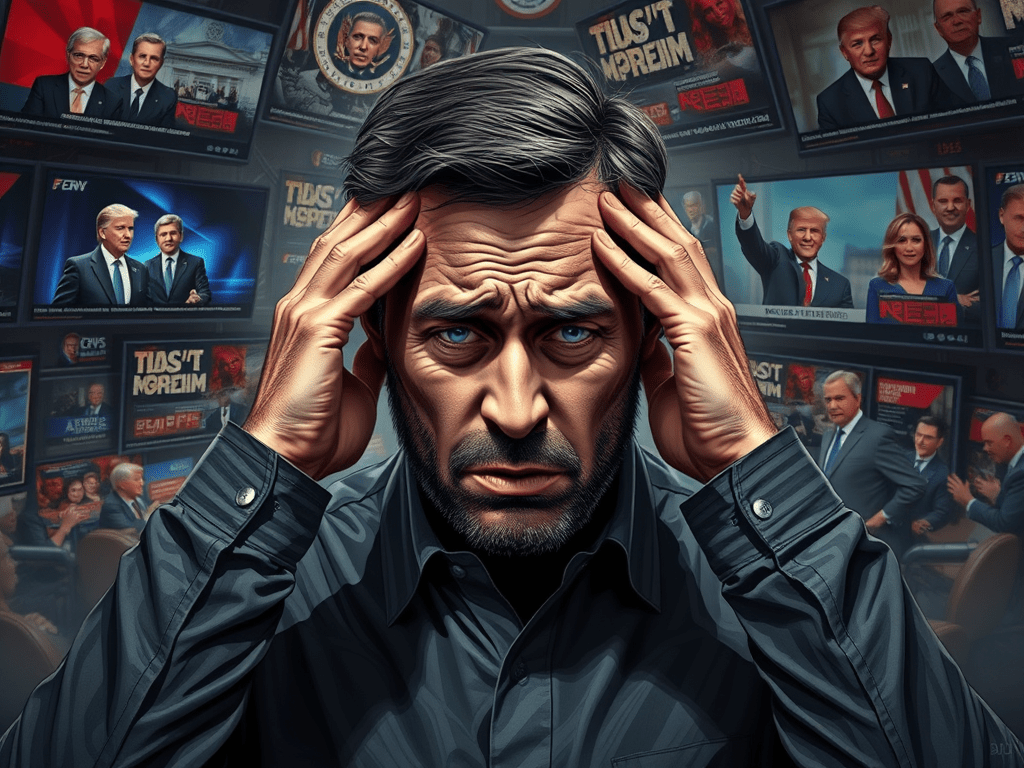
I am playing around with AI and certain things come to my mind. A talented journalist/ author friend of mine, Stephen Dark, a resident of Eastborne, England creates literature masterpieces that take time and experience.
I had AI create an image of Eastborne which Stephen does not recognize.
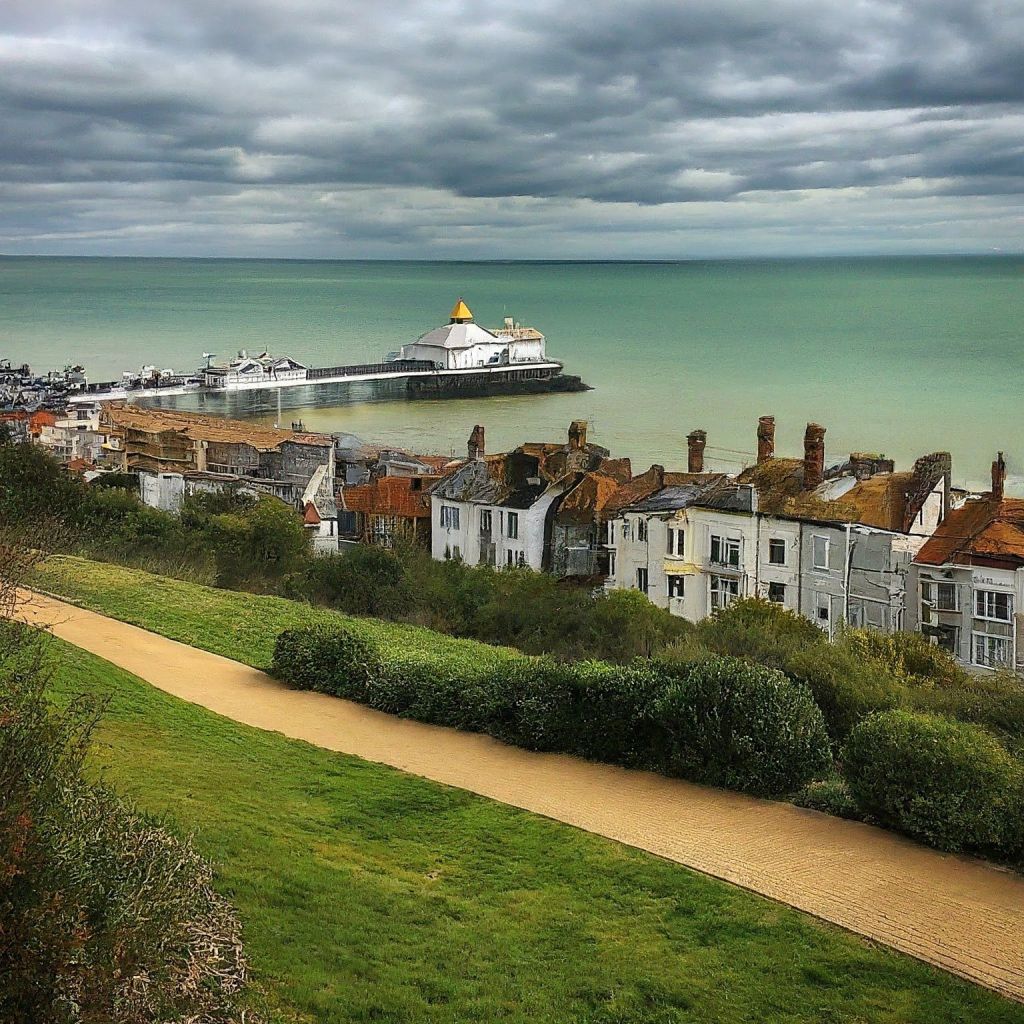
As a content creator sometimes finding images to enhance the story is using copyright from Getty, Shutterstock etc. These might have watermarks or a necessary attribution to the original creator. The image I created would have been an amalgam of content Google scraped from other published works presumably by humans hands or minds. Do I now own the copyright of this image?
It seems not or maybe according to the US Copyright Office.
The rise of artificial intelligence (AI) has blurred the lines between human creation and machine-generated output. Nowhere is this more evident than in the realm of creative works, where AI systems now compose music, write poems, and generate artwork. But a crucial question remains: who owns the copyright to these AI-created works?
An updated article from the New York Times delves into this more.
Currently, the legal landscape is murky and far from settled. In August 2023, a US court ruled that AI-generated art cannot be copyrighted, citing the need for “human authorship” as a fundamental requirement. This aligns with the stance of the US Copyright Office, which refuses to register works solely created by machines.
However, the issue is far from black and white. Proponents of AI copyright argue that AI tools are merely advanced tools, no different from cameras or paintbrushes, which humans utilize to create copyrightable work. Additionally, the human input involved in choosing prompts, training data, and selecting outputs suggests a level of creative control deserving protection.
Further complicating matters, certain jurisdictions like the EU take a more nuanced approach, allowing copyright for AI works under specific conditions. This opens the door for cases where human involvement is substantial, such as when an artist curates AI-generated outputs to create a final piece.
The implications of this debate are far-reaching. Without copyright protection, AI-generated works could fall into the public domain, freely copied and used by anyone. This could disincentivize investment in AI development and potentially harm creators relying on AI tools for their work. Conversely, granting AI broad copyright might lead to complex ownership structures and stifle further innovation.
Beyond legal concerns, the AI copyright debate raises profound questions about the nature of creativity itself. If machines can produce original and expressive works, does that undermine the concept of human authorship? Do we need to redefine intellectual property rights in the age of AI?
As AI continues to evolve, these questions will only become more pressing. Finding a balanced solution that fosters innovation while protecting both human creators and AI developers will be crucial in navigating this uncharted territory.

Creators such as my friend Stephen are clawing for relevance to get real works of art out that may be taken from him in part by AI to create another piece. It seems to me he is due some attribution. Would you rather pay nothing for an AI generated article or hundreds for a human created?
YouTube already has plenty of videos that don’t seem to have much human involvement.
If you’re an amateur photo/ video maker like me, there is always a search for images that in many cases are copyright protected by way of wetmark. If you can create your own, then there’s no need to scrape the content of others works.
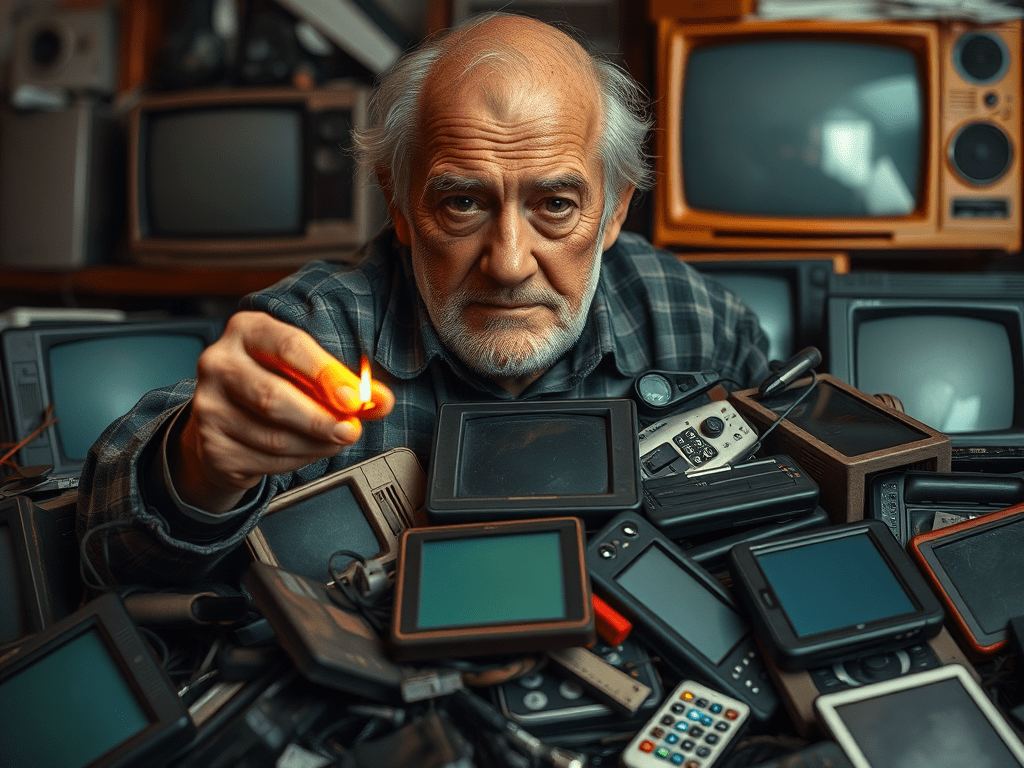
I am listening to Annie Jacobsens book Area 51. Much involves nuclear bomb research and am horrified at the chances men of science were taking with possibilities of punching holes in the ozone or even igniting the atmosphere. While reading and studying AI I am left pondering how is this any different?

 Crazy Old Gringo
Leave a comment