
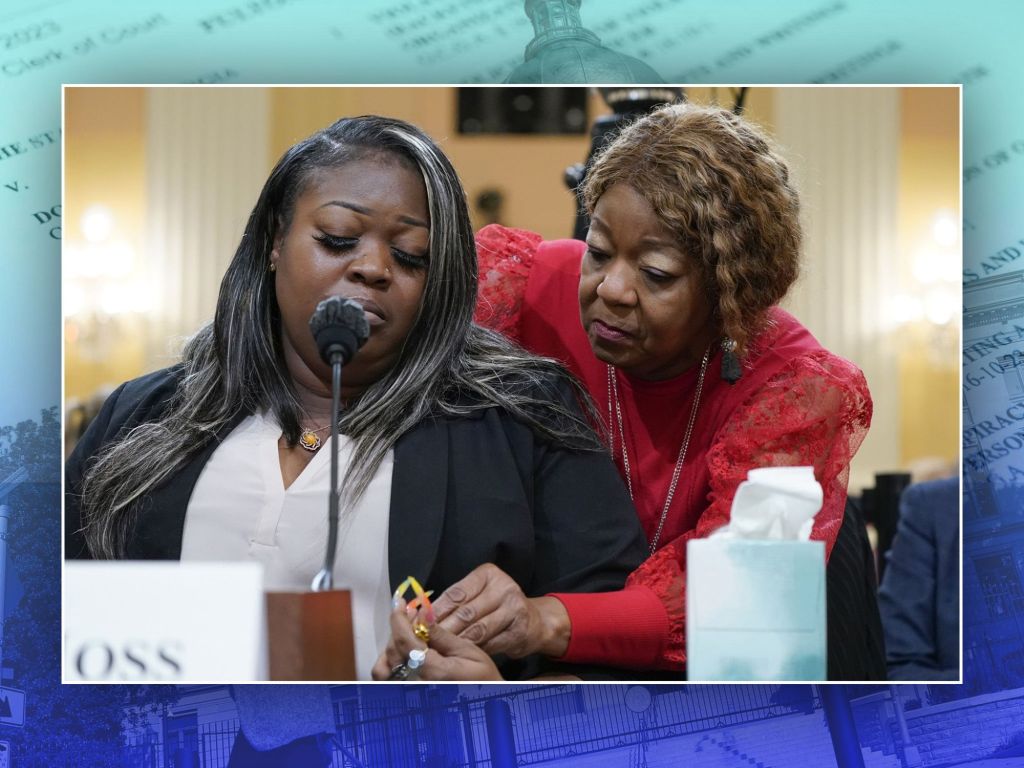
I was thinking about Rudy Giuliani and the damage he caused to two women in Georgia. It appears he is unremorseful. Three attorneys had to write apology letters to the citizens of Georgia, all barely one sentence long.

It’s just a phrase, two little words uttered in passing. Yet, “I’m sorry” carries a weight far beyond its brevity. It’s a bridge over troubled waters, a balm for hurt feelings, and a vital tool for repairing fractured relationships. In a world increasingly dominated by pride and blame, the simple act of apologizing can be a revolutionary act of compassion and connection.
The power of “I’m sorry” lies in its ability to:
- Acknowledge wrongdoing: Saying sorry isn’t about admitting defeat; it’s about taking responsibility for your actions and their impact. It shows the other person that you recognize their pain and understand how your behavior contributed to it.
- Demonstrate empathy: A genuine apology goes beyond acknowledging the act. It delves into the emotions it caused, expressing understanding and sympathy for the hurt inflicted. This shared moment of vulnerability fosters deeper connection and strengthens the bond.
- Open the door to forgiveness: While forgiveness isn’t a guarantee, “I’m sorry” creates the space for it to occur. It extends an olive branch, paving the way for reconciliation and healing. Even if forgiveness doesn’t come immediately, the apology remains a testament to your willingness to make amends.
- Boost self-esteem: Admitting your mistakes takes courage and humility. But by owning up to them, you release the burden of guilt and demonstrate personal growth. This self-awareness allows you to move forward with integrity and a clear conscience.
- Strengthen relationships: Apologies repair the delicate fabric of trust woven between individuals. They show that you value the relationship and are willing to invest in its repair. This fosters healthy communication, reduces conflict, and creates a more secure and enduring bond.
However, the value of “I’m sorry” hinges on its authenticity. A mumbled apology devoid of sincerity or responsibility only deepens the wound. A true apology requires:
- Taking ownership: Avoid phrases like “I’m sorry if you feel that way” – it deflects blame and minimizes the other person’s feelings. Be specific about your actions and their consequences.
- Expressing remorse: Show genuine regret for causing pain. Let the other person know you understand the impact of your behavior and truly wish you could take it back.
- Offering amends: If possible, take steps to repair the damage caused. This could involve a heartfelt act of support, a willingness to rectify the situation, or simply ensuring it doesn’t happen again.
In a world where conflict and disconnection seem commonplace, the power of “I’m sorry” shines even brighter. It’s a reminder that vulnerability is not weakness, but strength. It’s a testament to our shared humanity, our capacity for empathy, and our desire for connection. So, the next time you find yourself needing to apologize, don’t hesitate. Let those two little words carry the weight of your remorse, your respect, and your hope for a better way forward. You might be surprised at the magic they unleash.
Remember, “I’m sorry” is more than just an apology; it’s a bridge, a balm, and a revolution – all wrapped in two simple words.




 Crazy Old Gringo
Leave a comment