
Back when I was a private investigator the first IPhone came out. GPS trackers were a few years away. Ten years ago I was on a violation of a non-compete case in a rural area of Arizona. There is no such thing as too much information as I know from having to testify in court cases and this would be no different. As I approached the area I was able to take a photo of the subject’s truck license plate and in real time pulled registration records from one of the databases I had. The case turned out well from my client and they were very pleased, the point though is how much technology has changed in a very short time. If you think you have privacy or secrets, you’re badly mistaken. Case in point, my literary submission to Smart Glasses.
Seeing You Through New Eyes: The Rise of Facial Recognition Glasses
Imagine a world where you never forget a name or face. Where vital information about the people you meet is instantly accessible with a simple glance. This is the promise of facial recognition glasses, a technology that’s rapidly moving from science fiction to reality. This is an article on The Verge discussing college students doxing people in real time using Facial recognition software.
How it works:
These glasses utilize embedded cameras and software to capture facial features and compare them to databases of known individuals. Upon a match, the glasses can display information like:
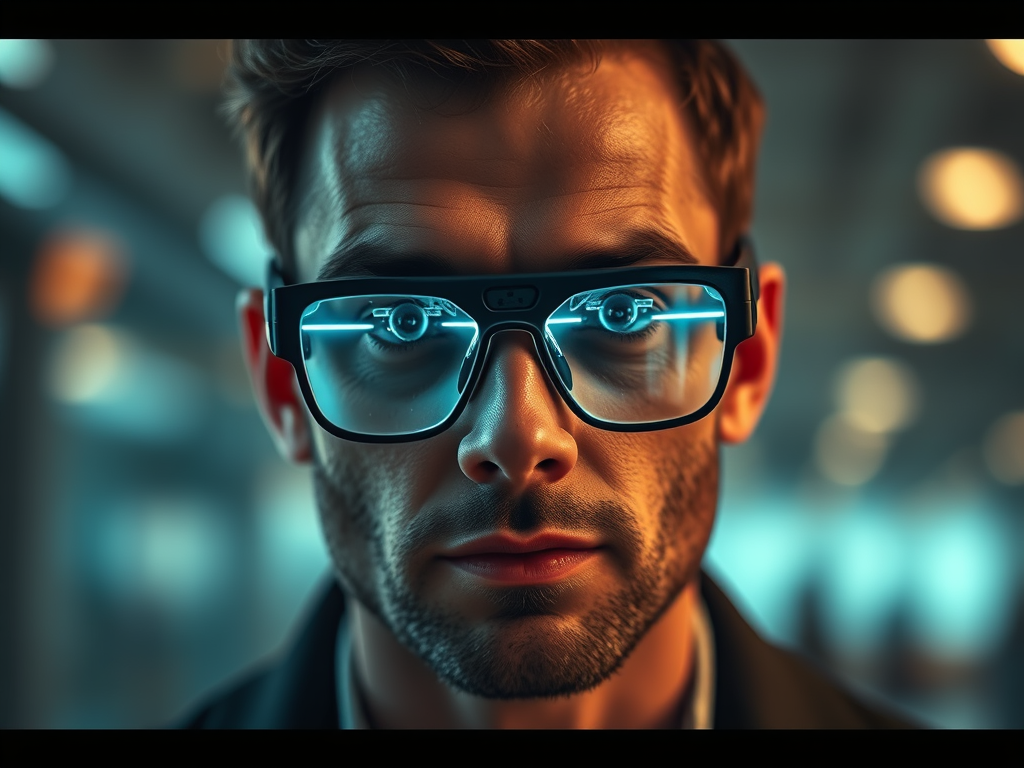
- Name and occupation: Never struggle with introductions again.
- Social media profiles: Instantly connect with someone on LinkedIn or Facebook.
- Shared history: See reminders of past interactions or mutual acquaintances.
- Relevant news and updates: Stay informed about the people you meet.
Beyond the personal:
While the social applications are intriguing, facial recognition glasses also hold immense potential in other fields: - Law enforcement: Identify suspects and missing persons in real-time.
- Healthcare: Access patient records and medical history quickly.
- Security: Enhance access control and surveillance systems.
- Customer service: Personalize interactions and provide tailored assistance.
The ethical considerations:
However, this technology raises significant ethical concerns: - Privacy violation: The potential for unauthorized data collection and misuse is a major concern.
- Consent and transparency: Individuals should be aware of when facial recognition is being used and have control over their information.
- Bias and discrimination: Facial recognition algorithms can perpetuate existing biases, leading to unfair treatment.
- Security risks: Hacking and data breaches could expose sensitive personal information.
The future of facial recognition glasses:
Despite these challenges, the development of facial recognition glasses is progressing rapidly. Companies like Meta (formerly Facebook) are investing heavily in this technology, with products like Ray-Ban Stories already on the market.

As these devices become more sophisticated and widely available, it’s crucial to address the ethical concerns and establish clear guidelines for their use. Striking a balance between innovation and protecting individual rights will be essential to ensure a future where facial recognition glasses are used responsibly and ethically. If Karens are offended of having their photo/video taken in public now, just wait.




 Crazy Old Gringo
Leave a comment