
The air hung heavy with the scent of frying tortillas and simmering fear. Ana Francisco, a freckled, fifteen-year-old girl from Arizona, huddled beneath a worn serape, her heart pounding like a drum in her chest. Outside, the familiar sounds of Puerto Peñasco – the laughter of children, the barking of dogs, the gentle lapping of waves against the shore – were replaced by the ominous rumble of military vehicles and the sharp crackle of gunfire.

It had all started so suddenly. One minute, Ana was enjoying her summer vacation with her parents, exploring the vibrant markets and soaking up the Mexican sun. The next, the world had erupted in chaos. The U.S. President, in a move that shocked the world, declared war on the Mexican cartels, vowing to eradicate them by any means necessary. Mexico, caught in the crossfire, descended into a maelstrom of violence.
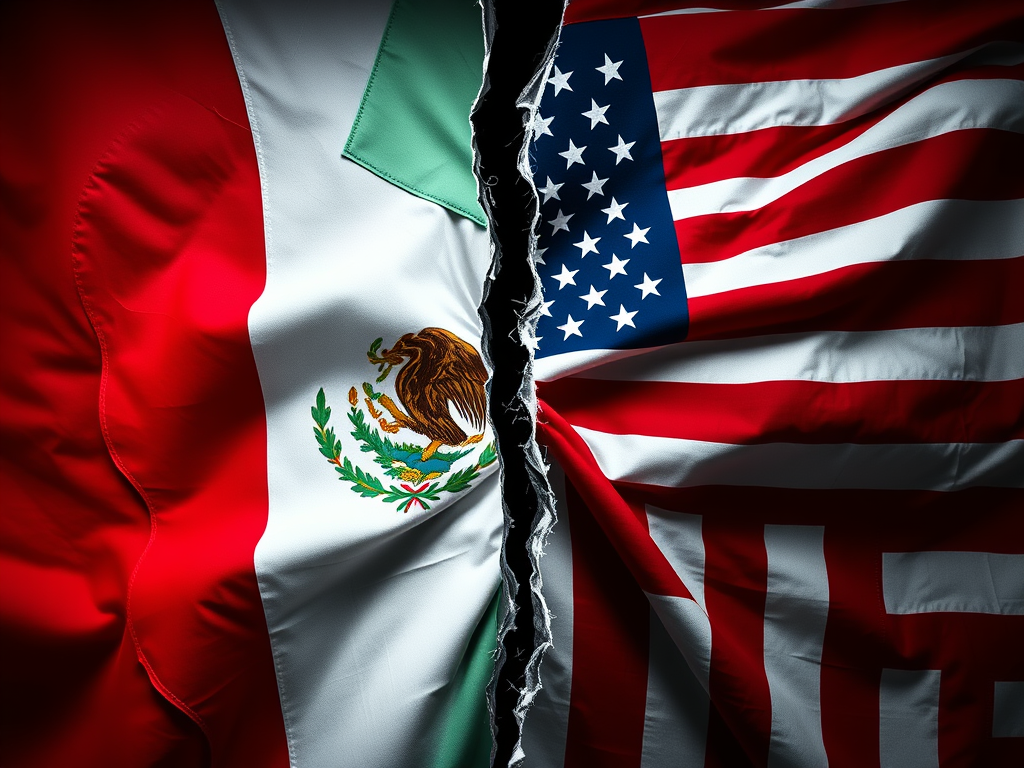
Ana’s parents, in a desperate attempt to escape the escalating conflict, had been caught in a crossfire between the military and cartel gunmen. Ana, separated from them in the panic, had been found by Señora Elena, an elderly woman who lived in a small casita down the street. Señora Elena, with the quiet courage of someone who had weathered countless storms, took Ana in, hiding her in a secret room behind a false wall in her pantry.

Days turned into weeks, and the violence showed no signs of abating. Ana, trapped in her cramped hiding place, felt a gnawing sense of isolation and fear. The only connection to the outside world was Señora Elena, who brought her meager meals and whispered stories of a Mexico that once was – a land of vibrant traditions, warm hospitality, and peaceful coexistence.
Señora Elena, despite her age and frailty, proved to be a cunning and resourceful protector. She disguised Ana as a local girl, teaching her Spanish phrases and the customs of the region. She forged documents, creating a new identity for Ana, a niece from a distant village who had come to stay. And she kept a watchful eye on the street, her senses honed by years of living in a land where danger lurked around every corner. The neighbors fearing for their own safety would surely report Elena to the cartel.
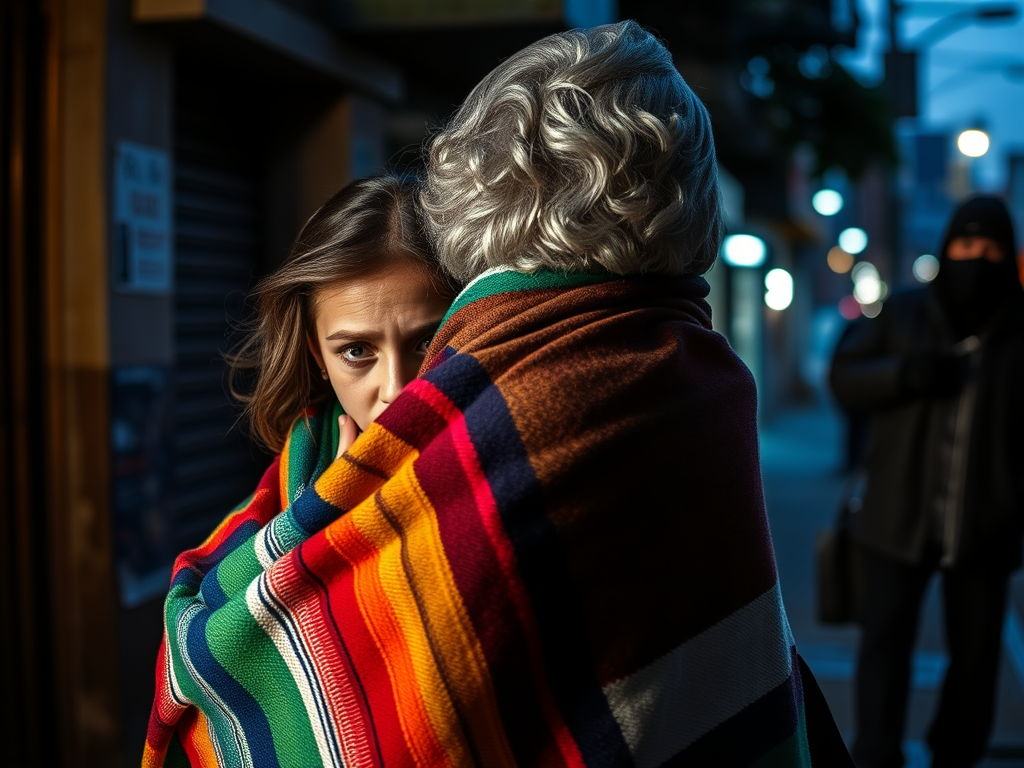
One afternoon, a group of Guardia National, their faces grim and their rifles at the ready, stormed into Señora Elena’s casita. Ana, her breath caught in her throat, watched through a crack in the wall as they searched the house, their eyes missing nothing. Señora Elena, her voice trembling but her resolve unwavering, met their questions with a calm defiance. “I am an old woman, alone in the world,” she said, her eyes flashing with indignation. “I have nothing to hide.”
The Guardia, after a tense and thorough search, finally left, their suspicions seemingly allayed. Ana, her body shaking with relief, emerged from her hiding place, tears streaming down her face. Señora Elena, her wrinkled face etched with worry, embraced her tightly. “It’s alright, mi niña,” she whispered, “you are safe now.”

But Ana knew that the danger was far from over. The war raged on, tearing apart the country she had come to love. And she, a young American girl caught in the crossfire, had to rely on the kindness and courage of an elderly Mexican woman to survive. Their fates, once separate, were now intertwined, a testament to the enduring power of human connection in the face of fear and adversity.

Does this story sound familiar? The Diary of Anne Frank?
In one of Donald Trump’s first executive orders on Monday, he officially designated Mexican cartels terrorist organizations, joining the likes of al-Qaida and the Islamic State (Isis) – chief adversaries in more than two decades of expensive and bloody American wars.
From a The Guardian article, “Mexican drug cartels, well-armed from the heavy flow of US weapons, unhesitatingly employ retaliatory violence, and regular Americans could be caught in the crossfire – namely, tourists in vacation hotspots like Cancún or my expat home, Puerto Penasco,where cartel networks are already well-defined, or the many communities on the border with Mexico.”.
There is also no doubt Cartels are in US so there is no body of water or great distance to keep them at bay. War also creates unlikely allies with other nations or groups hostile to the US that could be provided logistics for entering the US for nefarious purposes.
if the US military makes good on its threat against the cartels, any and all retaliations are possible from criminal syndicates known for the beheadings of civilians. In the decades since 9/11, cartels have armed up – at least once via the US government. Some today boast of having Javelin missile launchers, armored vehicles and ex-commandos in their ranks.
There are thousands of American expats in Mexico. We all came freely and want to remain though not under the threat of having to hide from those that seek to do us harm. What do you think the future holds?

Listen to Consequences of US direct action against cartels. by Crazy Old Gringo on #SoundCloudhttps://on.soundcloud.com/X9iiw4xCcydHKoia9


 Crazy Old Gringo
Leave a comment