I don’t argue with science. Men are predisposed to spreading their seed far and wide with sexually viable females. Women look for safety and security, hypergamy. Eventually we all age and the numbers change for us all. Here’s some stats.
1 in 562: This is the oft-cited statistic from a UK study regarding the odds of finding love after 60 if you leave it entirely to chance. However, being proactive drastically improves your chances. 30% of women and 15% of men aged 60-65: This is the average chance of these groups remarrying or finding a new romantic partner. 45% of Americans in their 50s and 60s are single: This highlights a growing pool of older adults seeking companionship. At least 9 in 10 adults ages 60 or older have been married: While this shows high marriage rates in this age group, it also indicates a significant number who may be seeking new relationships due to widowhood or divorce.
In today’s digital age, finding love has transcended traditional methods, with online dating platforms becoming the new norm. While these platforms offer convenience and access to a vast pool of potential partners, they also come with their fair share of risks. The YouTube video titled “[Why I Quit Online Dating]” provides a firsthand account of the perils of online dating, highlighting the need for caution and awareness.

Catfishing and Deception
One of the most prevalent dangers of dating sites is catfishing, where individuals create fake profiles to deceive others. These imposters often use stolen photos and fabricate elaborate backstories to lure unsuspecting victims into online relationships. The consequences can be devastating, leading to emotional distress, financial loss, and even physical harm.

Predators and Scammers
Dating sites can also attract predators and scammers who prey on vulnerable individuals. These malicious actors may use various tactics, including love bombing, gaslighting, and extortion, to manipulate and exploit their victims. It’s essential to be vigilant and recognize the warning signs of predatory behavior.

Privacy Concerns
Sharing personal information on dating sites can pose a significant risk to your privacy. Data breaches and hacking incidents can expose your sensitive data to malicious actors, leading to identity theft, stalking, and other forms of harassment.
Emotional Toll
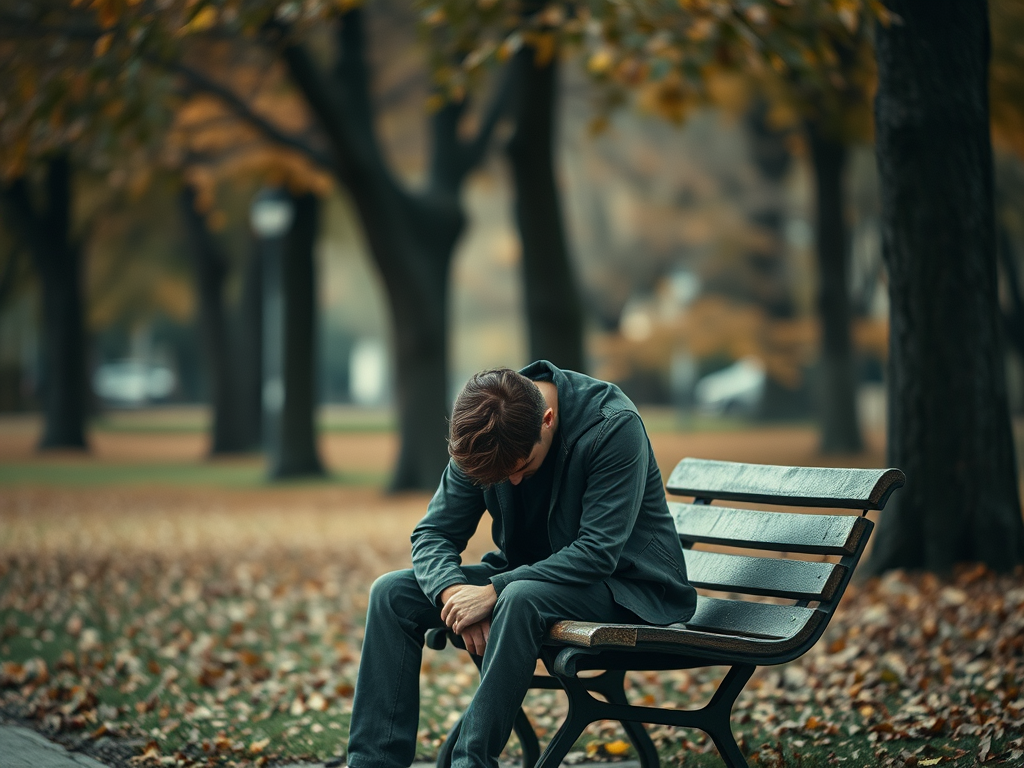
Online dating can take an emotional toll, especially when encounters don’t meet expectations or result in ghosting or rejection. The constant swiping, messaging, and uncertainty can lead to feelings of anxiety, frustration, and low self-esteem.
Tips for Staying Safe on Dating Sites
While the dangers of dating sites are real, there are steps you can take to protect yourself:
- Be wary of sharing personal information too soon.
- Do a reverse image search to verify the authenticity of profile photos.
- Trust your instincts and be cautious if something feels off.
- Meet in public places and let someone know where you’re going.
- Report any suspicious or inappropriate behavior to the platform administrators.
Additional Insights from Internet Research
- According to a study by the Pew Research Center, 30% of U.S. adults have used a dating site or app.
- The FBI’s Internet Crime Complaint Center received over 19,000 complaints related to romance scams in 2020, with reported losses exceeding $600 million.
- It’s important to set boundaries and communicate your expectations clearly when interacting with potential partners online.
- If you experience harassment or feel unsafe, don’t hesitate to block or report the individual and seek support from friends, family, or professionals.
Remember, knowledge is power. By educating yourself about the risks and taking proactive steps to protect yourself, you can enjoy the benefits of online dating while minimizing the potential dangers. Sadly too many people think they know more than on line predators. As a private investigator (ret) I dealt with too many lonely people getting scammed in a very large part by unrealistic expectations. Are you over sixty, overweight, have wrinkles, perhaps not as attractive as when you were younger? Why then do you expect love? Why do you deserved to be loved? Don’t argue with science.
At 66 years old I live a very happy single life, I try to make myself the best version of myself every day, for myself. I don’t need validation or affirmation from anyone to make me whole.
Here is some interesting information for you to do this too. Coursera offers a free Yale extension course on The Science of Well Being. I took it and it’s amazing.
Finally here is a warning from someone who worked in the dating app industry. Take heed.




 Crazy Old Gringo
Leave a reply to My AI lover doesn’t talk back. – crazyoldgringo Cancel reply